የጤፍ ጉዞ
The Journey of Teff
From highland soil to your table — five chapters of an ancient story that began 3,000 years ago in Ethiopia.
From the Land
ከምድር
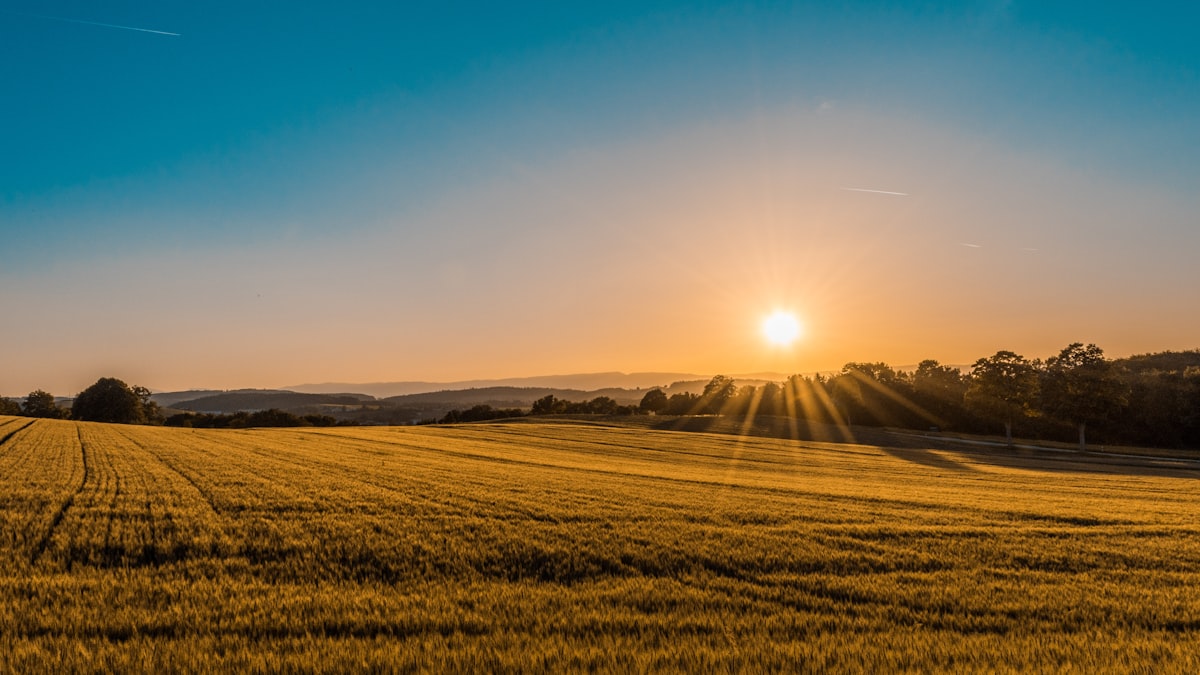
Begins in the fertile Ethiopian Highlands, situated at altitudes between 1800-2500 meters. Teff has high nutrient density gained from the unique volcanic and clay-rich soil it grew on.

Plowing the Land
መሬት ማረስ
Before the seasonal rains arrive, the farmer navigates the terrain with a traditional Ard plough pulled by oxen called maresha. The plow gently breaks up the hardened crust to allow oxygen and moisture to the soil layer. The farmer treats the crop with the tenderness of the parent.

Sowing in the Rains
ዘር መዝራት
When the kiremt rains start, the farmer steps into the muddy fields to cast the seeds across the wet earth in sweeping motions. These tiny specks quickly root and develop in a brilliant green that will feed a nation’s soul.

The Harvest
መከር
After 3 months, the fields dry out and turn deep golden-brown, indicating the grains are mature. Families gather on the hillsides, to harvest the crop by hand using curved sickles and separate the grain using the ancient methos of cattle threshing turning the hard labor of reaping into a joyful reunion of families.

Baking the Injera
እንጀራ መጋገር
The teff is stone grounded into whole grain flour, mixed with water and left to ferment using wild yeasts to unlock its tangy flavor and dense nutrients. The batter is poured onto the blazing hot clay griddle (mitad), where it is cooked into a spongy flatbread filled with thousands of tiny craters .
From the Land
ከምድር
Begins in the fertile Ethiopian Highlands, situated at altitudes between 1800-2500 meters. Teff has high nutrient density gained from the unique volcanic and clay-rich soil it grew on.
Plowing the Land
መሬት ማረስ
Before the seasonal rains arrive, the farmer navigates the terrain with a traditional Ard plough pulled by oxen called maresha. The plow gently breaks up the hardened crust to allow oxygen and moisture to the soil layer. The farmer treats the crop with the tenderness of the parent.
Sowing in the Rains
ዘር መዝራት
When the kiremt rains start, the farmer steps into the muddy fields to cast the seeds across the wet earth in sweeping motions. These tiny specks quickly root and develop in a brilliant green that will feed a nation’s soul.
The Harvest
መከር
After 3 months, the fields dry out and turn deep golden-brown, indicating the grains are mature. Families gather on the hillsides, to harvest the crop by hand using curved sickles and separate the grain using the ancient methos of cattle threshing turning the hard labor of reaping into a joyful reunion of families.
Baking the Injera
እንጀራ መጋገር
The teff is stone grounded into whole grain flour, mixed with water and left to ferment using wild yeasts to unlock its tangy flavor and dense nutrients. The batter is poured onto the blazing hot clay griddle (mitad), where it is cooked into a spongy flatbread filled with thousands of tiny craters .